


Inomyalgia is a term that might not be familiar to everyone, yet it affects countless individuals worldwide. This condition often brings along a host of frustrating symptoms, making everyday life challenging for those who suffer from it. If you’ve ever experienced unexplained muscle pain and fatigue, you may be wondering what’s going on in your body. Understanding Inomyalgia can provide clarity and open the door to effective management strategies.
In this blog post, we’ll dive into the intricacies of Inomyalgia—what it is, its common symptoms, underlying causes, and both traditional and natural treatment options available today. Whether you’re seeking relief for yourself or looking to support someone close to you battling this condition, we’ve got valuable insights that can help navigate the path toward better health and well-being. Let’s get started!
What is Inomyalgia?
Inomyalgia is a chronic condition characterized by widespread muscle pain and fatigue. It affects the body’s soft tissues, leading to discomfort that can be debilitating at times. Unlike typical muscle soreness, the pain associated with Inomyalgia isn’t always linked to physical activity or injury.
Individuals suffering from this condition often report tenderness in specific areas known as trigger points. These spots might feel particularly sensitive when pressed, indicating an underlying issue within the muscular system.
While researchers continue to explore its exact origins, Inomyalgia is recognized for impacting sleep patterns and mental well-being too. Many find themselves dealing with sleepless nights and increased stress levels, further complicating their daily lives.
Understanding Inomyalgia requires recognizing how it influences both physical health and emotional resilience. This multifaceted nature makes effective management essential for those affected by it.
Common Symptoms of Inomyalgia
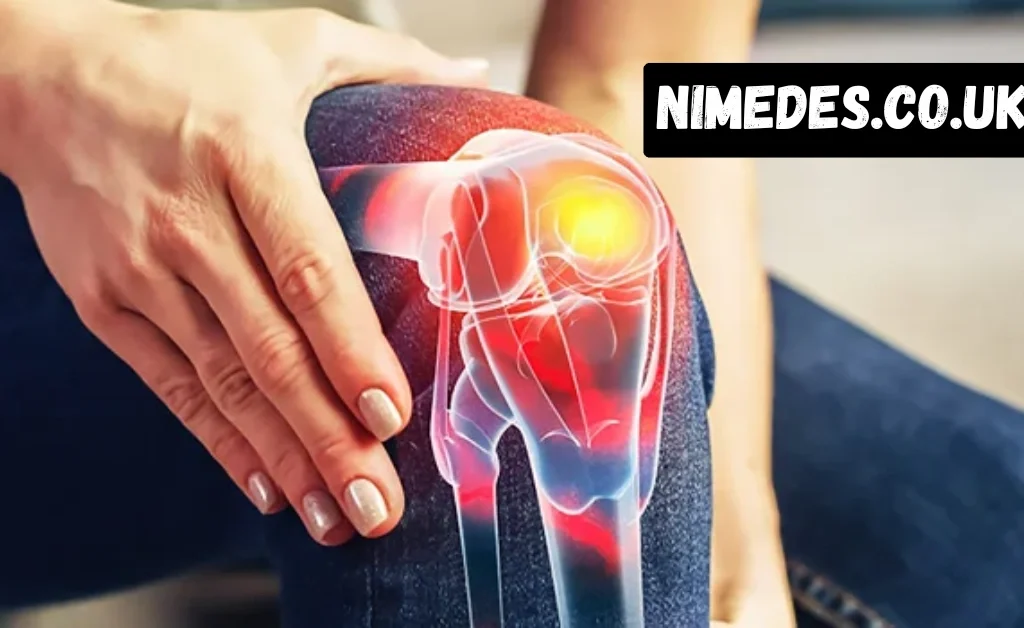
Inomyalgia often manifests through a variety of symptoms that can significantly affect daily life. One prevalent sign is widespread muscle pain, which can vary in intensity and may feel like an ache or stiffness.
Fatigue is another common complaint among those affected. Individuals may experience a deep exhaustion that doesn’t improve with rest.
Sleep disturbances frequently accompany this condition. Many find it challenging to achieve restorative sleep, leaving them feeling drained during the day.
Cognitive issues, sometimes referred to as “fibro fog,” are also reported. This includes difficulties with concentration and memory, making tasks seem more daunting than they should be.
Emotional changes such as anxiety and depression might surface due to chronic discomfort. These intertwined symptoms create a complex web that complicates managing Inomyalgia effectively.
Causes of Inomyalgia
Inomyalgia is a complex condition with various underlying causes. While the exact reason remains elusive, several factors may contribute to its development.
Genetics plays a significant role. If there’s a family history of similar conditions, individuals might be predisposed to inomyalgia. Stress is another crucial element; prolonged emotional or physical stress can trigger symptoms.
Infections have also been linked to inomyalgia. Certain viral infections can set off an immune response that leads to muscle pain and fatigue.
Additionally, hormonal imbalances may influence symptom severity, particularly fluctuations in thyroid hormones or estrogen levels.
Lifestyle choices can’t be overlooked either. Poor diet and lack of exercise may exacerbate inflammation and overall discomfort. Understanding these potential causes helps create a clearer picture for those affected by this challenging condition.
Traditional Treatment Options for Inomyalgia
Traditional treatment options for inomyalgia often focus on symptom management. Physicians may prescribe pain relievers, such as analgesics or anti-inflammatory medications. These can provide short-term relief from discomfort.
Physical therapy is another common approach. A trained therapist can guide patients through exercises tailored to improve strength and flexibility while reducing pain.
In some cases, doctors might recommend antidepressants or anti-seizure medications to help with nerve-related symptoms and mood stabilization.
Cognitive-behavioral therapy (CBT) has gained traction as well. This therapeutic method encourages patients to rethink their relationship with pain and develop coping strategies.
While these treatments can be effective, they don’t address the root causes of inomyalgia. Many people seek additional solutions that align more closely with their lifestyle preferences and needs.
Natural Remedies for Managing Inomyalgia Symptoms

Managing the symptoms of Inomyalgia can be challenging, but natural remedies offer a ray of hope for many. One effective approach is incorporating anti-inflammatory foods into your diet. Leafy greens, berries, and fatty fish like salmon can work wonders in reducing pain.
Herbal supplements such as turmeric and ginger are also praised for their healing properties. These potent herbs may help soothe inflammation and enhance overall well-being.
Mindfulness practices like yoga or tai chi promote relaxation while improving flexibility. Gentle movements combined with focused breathing can ease muscle tension effectively.
Essential oils, particularly lavender and peppermint, provide comfort when used in aromatherapy. They not only uplift mood but also alleviate headaches associated with chronic discomfort.
Adequate hydration plays a crucial role too. Drinking enough water helps maintain muscle function and reduces fatigue throughout the day.
Lifestyle Changes to Help with Inomyalgia
Incorporating gentle exercise into your routine can be transformative. Activities like walking, swimming, or yoga help improve flexibility and reduce pain. Aim for consistency rather than intensity.
Nutrition plays a vital role as well. Focus on a balanced diet rich in anti-inflammatory foods such as fruits, vegetables, nuts, and whole grains. Omega-3 fatty acids from fish are beneficial too.
Sleep hygiene is crucial for those dealing with Inomyalgia. Establishing a calming bedtime routine can enhance the quality of your rest. Consider creating a comfortable sleep environment to promote deeper sleep cycles.
Stress management techniques are essential as well. Practices like meditation or deep-breathing exercises can alleviate tension and improve overall wellbeing.
Fostering social connections offers emotional support that greatly aids recovery. Engage with friends or join support groups to share experiences and coping strategies—community plays an invaluable role in resilience against challenges.
Conclusion
Living with Inomyalgia can be challenging, but understanding the condition is the first step toward finding relief. By recognizing its symptoms and causes, individuals can seek appropriate treatment options that suit their needs.
Exploring natural remedies offers an alternative approach to managing discomfort. Incorporating lifestyle changes—such as proper diet, regular exercise, and stress management—can significantly improve quality of life. Each small adjustment contributes toward alleviating symptoms over time.
It’s essential for those affected by Inomyalgia to engage in open discussions with healthcare providers about both traditional treatments and holistic approaches. This proactive dialogue empowers patients to take charge of their health journey effectively. With dedication and informed choices, living well with Inomyalgia becomes a more attainable goal.
Check our detailed post on this subject for better understanding: Nimedes.co.uk.